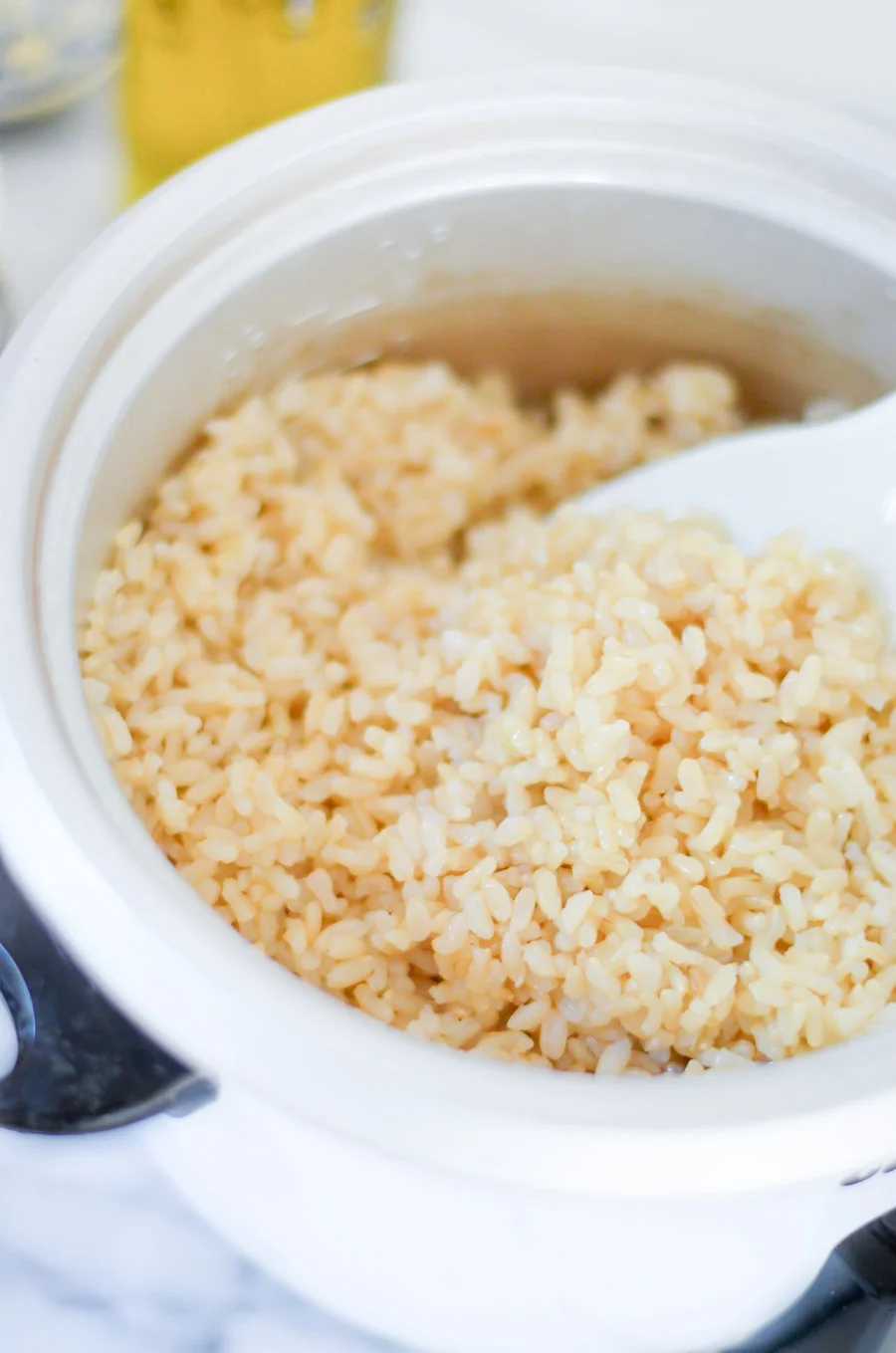
Best Rice Cookers for Brown Rice, Quinoa, and Whole Grains
Cooking whole grains well requires more than pressing a button and waiting for the switch to flip. Brown rice, quinoa, farro, barley, wild rice, and mixed grains absorb water at different rates and benefit from different cooking temperatures and resting times. The best rice cookers make those adjustments automatically, while still giving you enough control to adapt recipes, batch sizes, and preferred textures.
When comparing rice cookers, look beyond the number of preset programs. A useful model should have a dedicated brown-rice cycle, reliable temperature control, a clear measuring system, and a cooking pot that distributes heat evenly. Fuzzy-logic or microcomputer controls can be especially helpful because they adjust cooking time as the grains absorb liquid. Pressure cooking adds another option for dense grains, although it can make the appliance more complex and expensive.
Which Rice Cookers Handle Whole Grains Best
The strongest choices for whole grains are usually models with separate programs for brown rice, mixed grains, porridge, and quick cooking. A basic one-button cooker may produce acceptable white rice but leave brown rice firm in the center or make quinoa wet and clumped. A programmable cooker is more versatile because it can lengthen the soak and simmer stages rather than simply applying more heat.
Capacity also matters. An 8-Cup cooker can be a practical choice for families or batch cooking, but advertised cup counts normally refer to the small rice-cooker measuring cup, not standard American cups. Check the cooked and uncooked capacity before buying. Overfilling a cooker with foamy grains such as quinoa or starchy brown rice can cause bubbling around the lid and inconsistent results.
Traditional Japanese-style cookers from brands such as Mitsubishi often emphasize precise cooking programs and careful temperature management. Cuckoo models are known for feature-rich designs, with some offering pressure cooking and voice guidance depending on the model. Crock-Pot offers approachable multicookers that may suit shoppers who also want slow cooking, steaming, or pressure-cooking functions. The right choice depends on whether grain quality, multifunction use, or simple operation is your priority.
Key Settings for Brown Rice and Quinoa
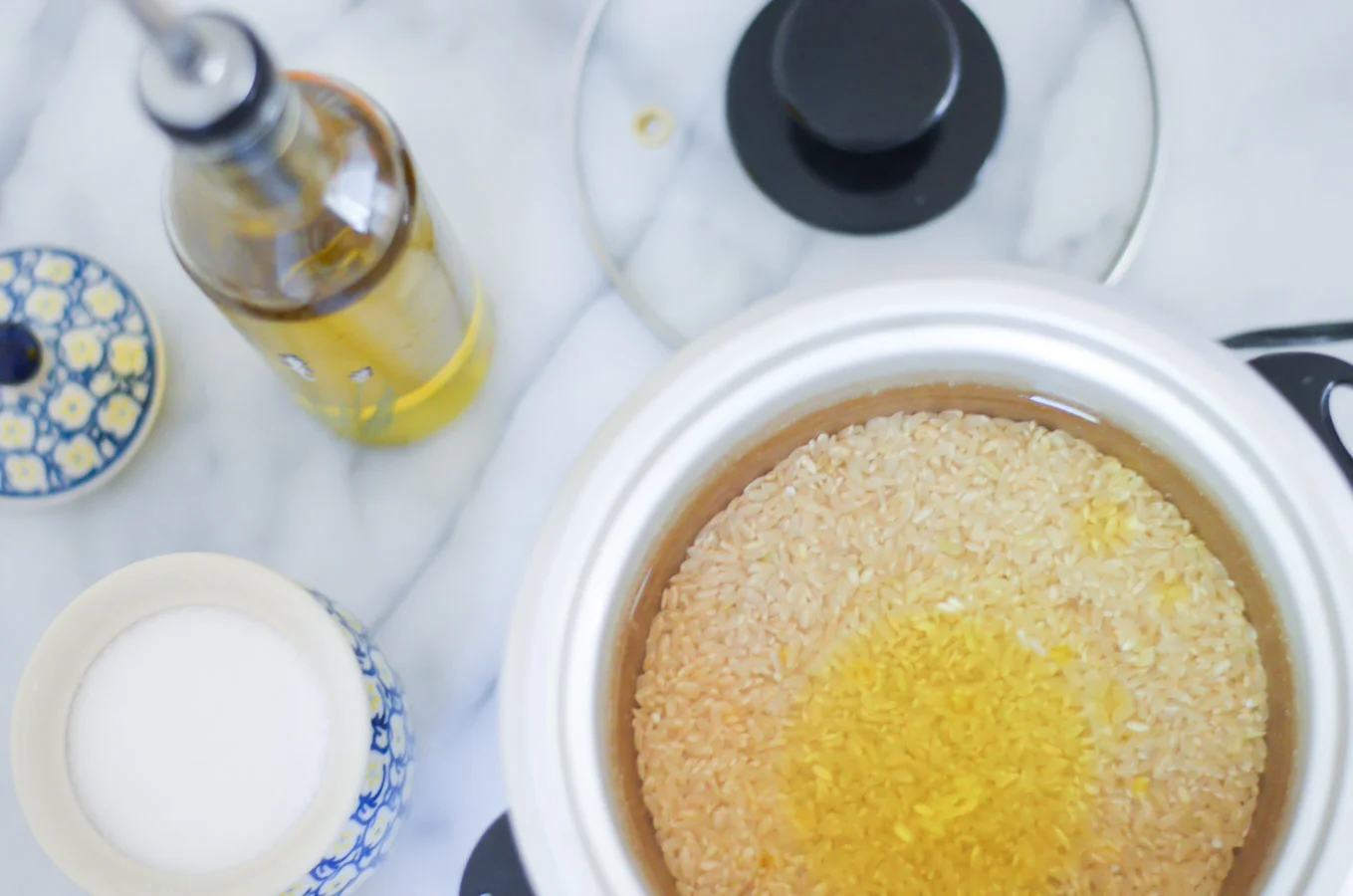
A dedicated brown-rice setting is the most important feature for regular whole-grain cooking. This program usually allows additional soaking and a longer, gentler cooking phase. Brown rice retains its bran layer, so it needs more time for water to reach the center of each grain. Without enough hydration, the finished rice can be chewy or uneven; with excessive water, it can become soft and lose its separation.
Quinoa benefits from a grain, multigrain, or white-rice setting with careful liquid measurement. It cooks faster than brown rice and can turn mushy if left in excess water. Rinsing quinoa before cooking helps remove surface compounds that can contribute bitterness and foam. After the cooker switches to warm, leave the quinoa covered for about five minutes, then fluff it gently so steam can escape.
For barley, farro, and wheat berries, look for a multigrain or manual pressure setting rather than relying on a standard rice program. These grains vary widely by type and whether they are pearled, hulled, or cracked. A cooker with adjustable time is useful because you may need to extend the cycle after testing a particular grain. Porridge settings can work well for softer preparations, but they are not always suitable when you want distinct, chewy grains.
Cooking Times and Water Ratios
How To Cook Other Grains In A Rice Cooker
Use the manufacturer’s cup and water markings as the starting point, then adjust gradually. For brown rice, a common starting range is about 1.5 to 2 cups of water for each cup of uncooked rice, depending on the variety and the cooker. Long-grain brown rice often needs less liquid than short-grain brown rice. If the finished grains are firm but fully cooked, add a small amount more water next time rather than changing the entire recipe.
Quinoa commonly starts at approximately 1.75 to 2 cups of liquid per cup of rinsed quinoa, though some cookers use less. White, red, and black quinoa can require slightly different treatment. A useful approach is to make a small test batch, record the water level and program used, and then repeat the result. Salt, broth, vegetables, and other ingredients can also change how quickly the grains absorb liquid.
Expect brown rice to take roughly 45 to 75 minutes and quinoa to take about 20 to 35 minutes in many standard cookers. Exact times depend on the quantity, program, altitude, and whether the cooker includes a soaking stage. The displayed timer may not begin counting down immediately because some appliances first warm the ingredients to the correct temperature.
Best Features for Grain Variety
A removable nonstick inner pot makes cleanup easier, while a durable stainless-steel pot can appeal to shoppers who prefer fewer coatings. Either option should sit securely against the heating plate. Inspect the lid design as well. A detachable inner lid and removable steam vent are valuable when cooking foamy grains, since residue can collect around seals and vents.
Keep-warm performance is another important consideration. Whole grains can dry out at the edges if held for many hours, even when the cooker prevents them from cooling. A model with an adjustable keep-warm period, reheating function, or delayed start gives you more control over meal timing. Avoid using delayed start for recipes containing perishable ingredients unless the manufacturer specifically permits it.
A timer, clear display, and easy-to-read water markings make everyday use less frustrating. Check whether the control panel labels are understandable and whether the lid opens without dripping condensation onto the counter. The Power cord should reach a safe outlet without stretching across a walkway, and a detachable design can simplify storage if counter space is limited.
Recommended product
Use these catalog picks as a shortlist for best rice cookers for brown rice, quinoa, and whole grains. Compare measurements, materials, and return terms side by side instead of buying from a photo alone.
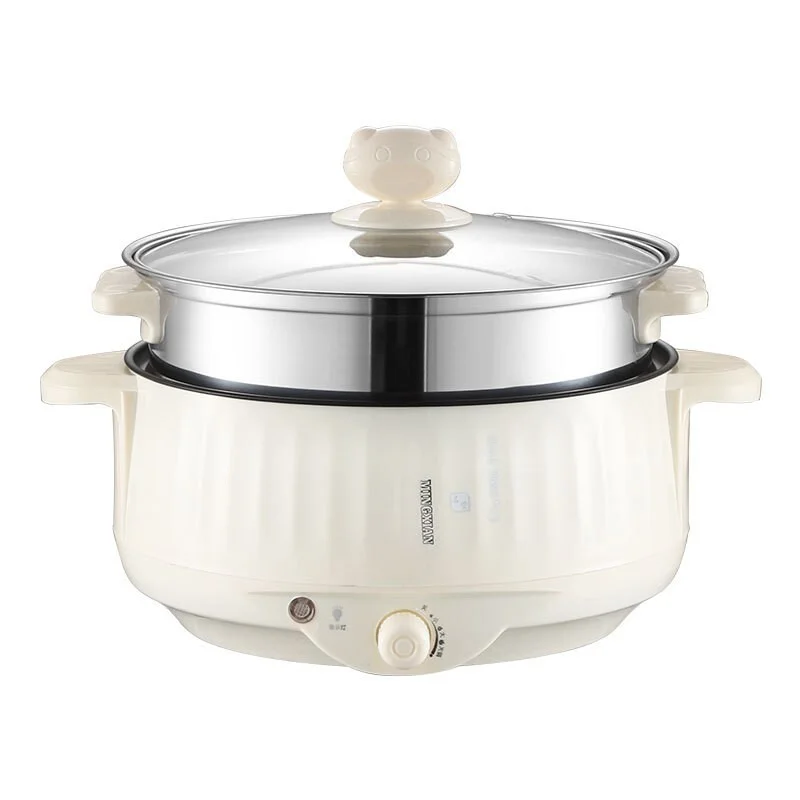

Consider accessories, too. A steaming basket can let you cook vegetables above the grains, but it may reduce usable capacity. Measuring cups and paddles are convenient, although replacements should be easy to find. For households that cook multiple portions, a sturdy inner pot handle and a wide opening are more useful than decorative smart features.
How to Compare Whole-Grain Rice Cookers
Start by listing the grains you actually eat rather than choosing the cooker with the longest menu. Brown-rice and multigrain programs matter most if you prepare dense grains regularly. If quinoa is your main alternative, accurate measuring marks, a shorter grain cycle, and easy cleaning may be more valuable than pressure cooking. If you want soups, beans, or braised dishes as well, a multicooker can offer broader functionality but may take longer to learn.
For the catalog pick featured later on this page, compare its advantages and limitations against your routine rather than treating the listing as a universal winner. Pros may include a dedicated whole-grain program, suitable capacity, flexible controls, and a removable cooking pot. Cons may include a larger footprint, a higher price, a longer brown-rice cycle, or fewer accessories. Check the published capacity, warranty, cleaning instructions, and replacement-pot availability before purchasing.
Also compare the minimum cooking quantity. Some large rice cookers do not perform as well with a single serving, while compact models may struggle when filled for a family meal. If you often cook only one or two portions, choose a size that keeps the grains in contact with the cooker’s intended measurement marks. If you meal-prep, confirm that the cooker can handle the batch without exceeding its brown-rice or multigrain limit.
Getting Better Results from Any Cooker
Rinse grains when appropriate, measure liquid at eye level, and avoid lifting the lid during the cooking cycle. Let the finished grains rest briefly before fluffing, since the final steam absorption can improve texture. If a batch is too wet, leave it on warm for a few minutes with the lid slightly opened only if the manufacturer allows it. If it is too firm, add a modest splash of water and use a reheat or extended-cook function.
Finally, clean the lid, gasket, steam vent, and inner pot after every use. Starchy residue can affect odors, pressure seals, and steam release over time. With accurate measurements and a program suited to the grain, even a straightforward cooker can produce dependable brown rice, quinoa, and whole-grain meals without requiring constant supervision.