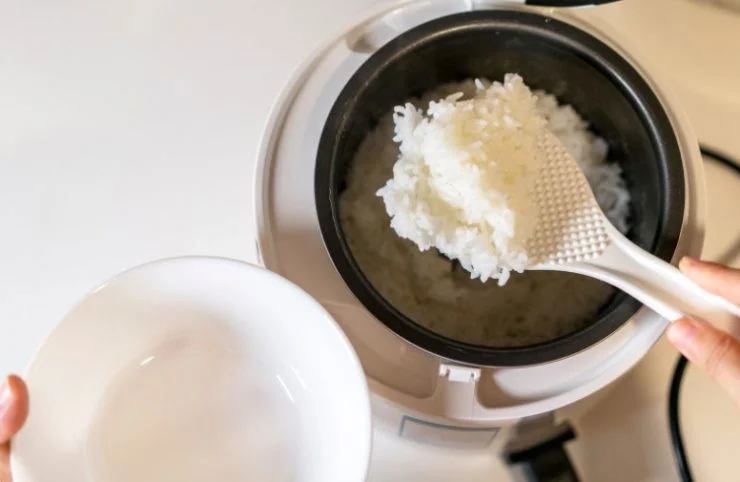
How to Choose the Right Rice Cooker Size
The best rice cooker size is not determined only by the number of people in your household. Your appetite, preferred rice variety, meal-planning habits, and storage space all matter. A person who eats rice several times a week may need more capacity than a larger household that serves it only occasionally, while someone who wants leftovers should avoid choosing a model that barely covers one meal. Understanding how rice cooker capacity is measured makes the decision much easier.
Rice Cooker Capacity Explained
Rice cookers are usually labeled by the number of cups of uncooked rice they can prepare. These are standard rice-cooker cups, which are typically about 180 milliliters rather than the 240-milliliter cup used in many kitchen measurements. The included measuring cup is the safest way to measure rice for the inner POT, especially when the cooker has water lines marked for that cup size.
Uncooked rice expands considerably as it absorbs water. One rice-cooker cup generally produces about two to three cups of cooked rice, depending on the variety and how soft you prefer it. A model labeled 3-Cup therefore does not make only three cups of finished rice; it usually makes enough for several portions. Likewise, an 8-Cup cooker refers to uncooked capacity, not eight cups of cooked rice.
Capacity labels are not always presented consistently. Some manufacturers advertise maximum uncooked capacity, while others emphasize the approximate amount of cooked rice. Check the manual or specification sheet before buying, and look for both uncooked and cooked measurements. This is particularly important when comparing rice cookers from brands such as Instant Pot, Mitsubishi, and Crock-Pot, since product ranges may use different naming conventions.
How Many Servings Each Size Makes
A useful planning estimate is one rice-cooker cup of uncooked rice for roughly two to three side-dish servings, or one to two generous main-meal servings. The exact yield depends on whether rice is the center of the meal, how many other dishes are being served, and whether you want leftovers. Appetite also varies, so these ranges are better treated as starting points than strict rules.
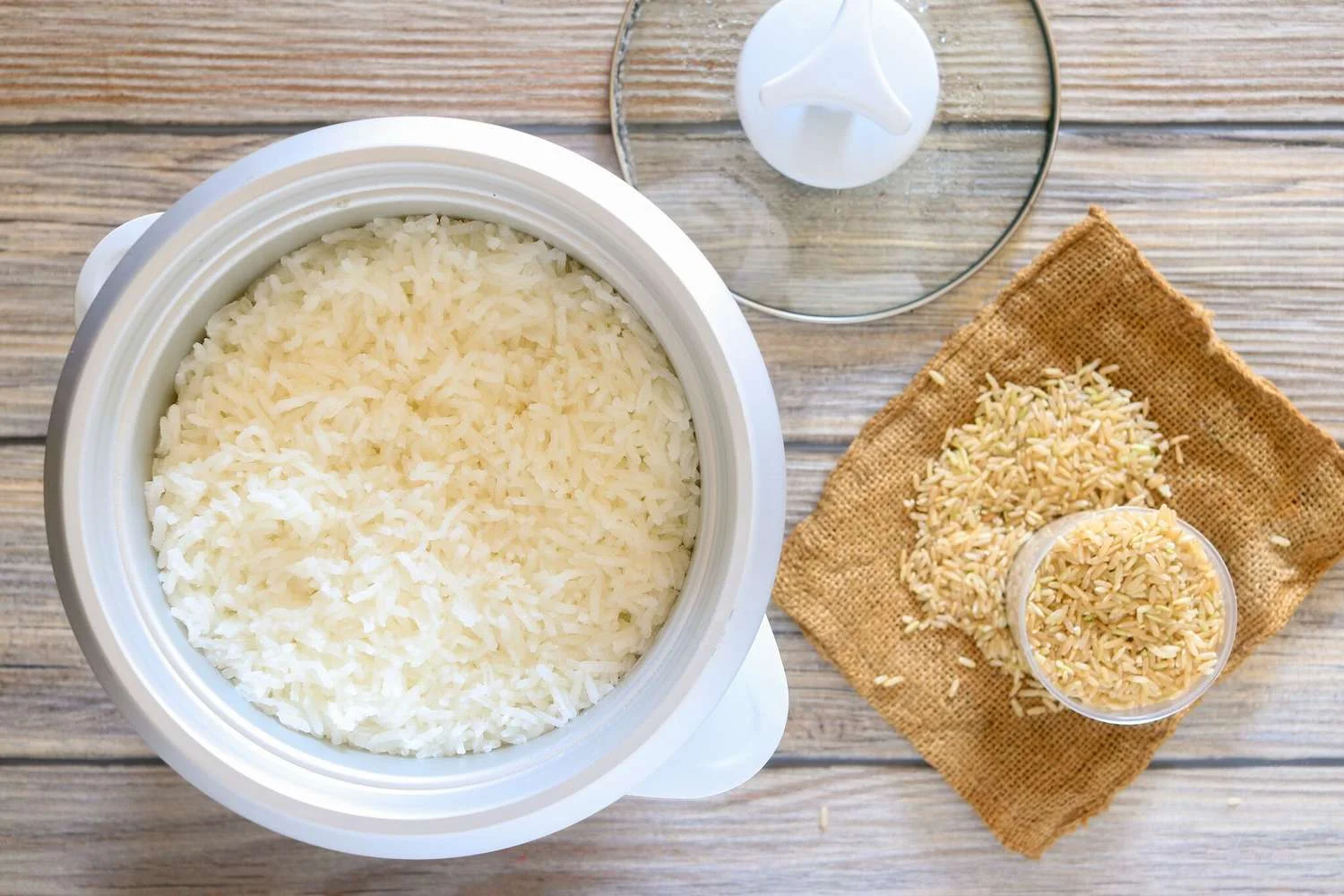
A small 3-Cup cooker typically suits one or two people and can produce enough rice for a meal with modest leftovers. A 5-Cup model is a versatile middle option for two to four people, particularly if rice is served as a side dish. A 6-Cup cooker offers additional flexibility for meal preparation without taking up as much counter space as a larger family model. An 8-Cup cooker is better for households that regularly serve four or more people, prepare large batches, or freeze portions for later.
Consider the type of rice you cook as well. Short-grain rice, brown rice, and some mixed grains may need more water, longer cooking times, or extra room for expansion and foaming. If you frequently prepare brown rice, congee, oatmeal, or rice blends, choosing a little more capacity can be useful even when your household is small. Confirm that the cooker supports those programs rather than assuming every model handles them in the same way.
Choosing a Size for Singles and Couples
For one person, a 3-Cup rice cooker is often the most practical choice. It can prepare a single portion or several servings without requiring a large amount of rice to cover the heating area. Small cookers are usually easier to store and may use less counter space, which is valuable in a compact kitchen. They are also convenient when you prefer freshly cooked rice rather than reheating leftovers.
A couple may prefer either a 3-Cup or 5-Cup model. Choose 3-Cup capacity if you usually cook rice for one meal at a time. Choose 5-Cup capacity if you pack rice for lunches, eat rice as a main component, or want enough for two meals. A larger cooker is not automatically better: cooking a very small quantity in an oversized bowl can make portioning less convenient, and some models have a minimum fill line for reliable results.
Before choosing a compact model, check whether its cooking bowl is removable and easy to wash. A stainless steel pot can be durable and resistant to scratching, although rice may stick more than it does in a coated bowl. A nonstick bowl is often easier for serving and cleanup, but it should be handled with the recommended utensils to protect the coating. The best choice depends on how you value durability, maintenance, and serving convenience.
Choosing a Size for Families
Families should estimate capacity from the largest regular meal, not the smallest one. If three people usually eat rice as a side dish, a 5-Cup cooker may be sufficient. If four or more people rely on rice as a staple, or if you routinely prepare food for guests, a 6-Cup or 8-Cup model gives more useful headroom. Extra capacity also helps when cooking grains that foam or expand more than white rice.
Avoid buying the largest cooker available unless you genuinely need it. A large appliance takes more storage space and may be inconvenient for everyday portions. It can also encourage overproduction, creating avoidable food waste. On the other hand, a cooker that is too small may force you to run multiple cycles, which is frustrating when preparing a complete meal. The right family size is the smallest capacity that comfortably handles your normal maximum batch.
HOW TO CHOOSE YOUR PERFECT RICE COOKER l Mini, Small, Medium, Large Or Extra Large?
Think about counter layout and accessories as well. Larger rice cookers need clearance for a hinged lid or steam vent, and the steam plume should not hit cabinets or shelves. If you use a multi-function appliance for rice, pressure cooking, or slow cooking, such as a suitable Instant Pot or Crock-Pot model, compare its full footprint and cooking limits rather than relying only on the rice capacity printed on the box.
Avoiding Overfilling and Undercooking
Never fill a rice cooker to the rim. Rice needs space to expand, and starchy water can foam during cooking. Use the maximum rice line inside the bowl, and follow separate guidance for white rice, brown rice, porridge, and other foods. The maximum line for congee or oatmeal is often lower because these foods foam more readily. Exceeding the recommended limit can lead to spills, uneven cooking, or a blocked steam vent.
Undercooking often results from inaccurate measuring, insufficient water, or cooking a batch below the appliance's minimum capacity. Rinse rice when the instructions recommend it, measure with the supplied cup, and use the corresponding water markings. Do not assume that adding extra water will correct every problem; too much can produce wet or gummy rice, while too little can leave the center firm.
If your cooker allows a minimum of one or two rice-cooker cups, stay within that range for dependable results. For very small portions, a compact cooker may perform more consistently than a large family model. If you regularly cook several types of grains, review the manual for separate ratios and program recommendations before deciding that you need a bigger bowl.
A Simple Size-Selection Checklist
Start by writing down how many people eat rice at a typical meal and how many servings you want left over. Convert that amount into uncooked rice using the approximate two-to-three-times expansion rule, then allow extra room for brown rice, mixed grains, or foaming foods. Next, check the manufacturer's capacity definition, minimum batch size, bowl material, dimensions, and steam-clearance requirements.
In general, choose 3-Cup rice cookers for one person or light two-person use, 5-Cup models for couples and smaller families, 6-Cup models for flexible everyday family cooking, and 8-Cup models for larger households or planned leftovers. These categories are starting points rather than rules. The ideal rice cooker is the one that handles your largest normal batch without making your smallest practical batch awkward, while fitting comfortably into your kitchen and cooking routine.