How to Choose Rice Cookers for Events in Atlanta
Rice is an efficient, affordable foundation for event meals, but the best rice cooker for a family kitchen may not be the right choice for a fundraiser, cultural celebration, community gathering, or catered reception. Atlanta events can take place in hotel meeting rooms, parks, churches, private homes, commercial kitchens, and outdoor venues, so equipment needs vary widely. Before shopping, estimate the number of guests, decide whether rice is a side dish or a main component, and confirm what electrical outlets and counter space the venue provides. Reviewing the schedule for events in Atlanta can also help you think through likely venue conditions, peak serving times, and transportation needs when planning an event menu.
Rice Cooker Capacity for Atlanta Event Serving
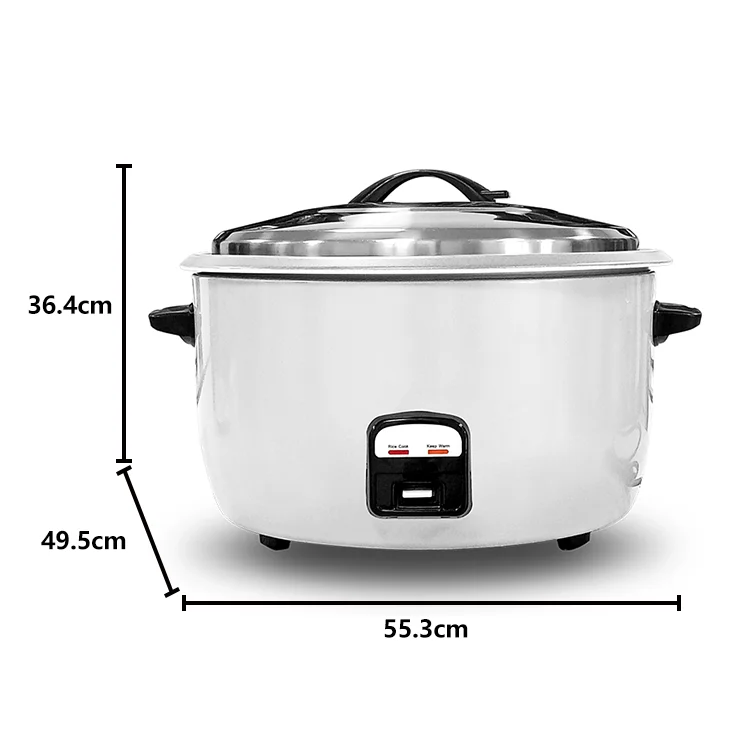
Capacity is the first specification to compare, but published cup counts can be confusing. Rice cooker measurements usually refer to uncooked rice, and the finished yield is considerably larger after water is absorbed. A cooker labeled for 10 cups of uncooked rice can produce enough cooked rice for a substantial group, while a smaller unit may be more practical when rice is only one of several side dishes. Allow extra capacity rather than filling the pot to its absolute maximum, since overfilling can cause uneven cooking, starchy boil-over, or a mess around the Lid. Planning a night out around Marcus Jewish Community Center of Atlanta? Keep comfort in mind.
Match the cooker to the service style
For a buffet with several entrées, plan roughly one modest serving per guest and add a margin for seconds, late arrivals, and uneven portions. A smaller cooker may work for a dessert station or a meal serving 10 to 20 people, whereas a larger commercial-style model is better when rice is central to the menu. A 9.9-cup model can be a useful middle ground for a medium gathering, especially when you need enough food without carrying several bulky appliances. If you need multiple rice varieties, such as white, brown, jasmine, or basmati, separate cookers may provide better results than trying to prepare everything in one pot.
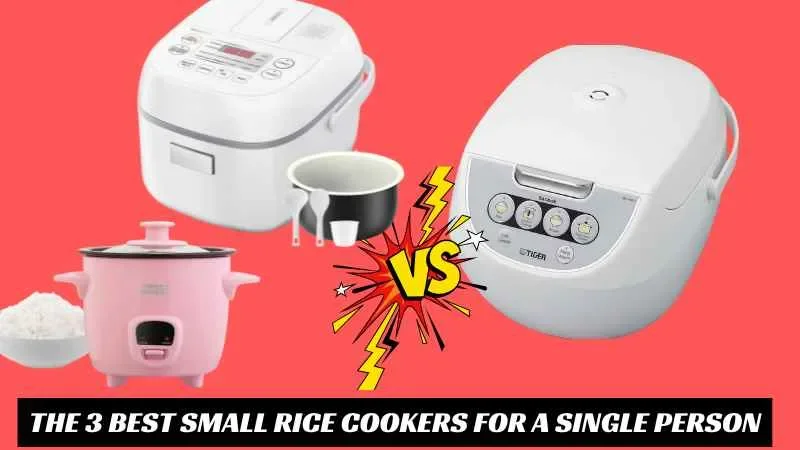
Do not judge capacity alone. Compare the minimum batch size as well as the maximum. Some large cookers perform poorly when asked to make only a few portions, which can be inconvenient for an intimate reception or a menu with many other starches. Look for clear measuring lines, a reliable rice cup, and a removable inner pot that is easy to inspect before the event. Panasonic, Zojirushi, and Toshiba each offer rice cooker designs with different control layouts and capacity options, so compare the specifications rather than choosing by brand recognition alone.
Portable Features to Look For
An event rice cooker should be simple to move, set up, and supervise. A sturdy carrying handle is helpful when the appliance must travel from a vehicle to a venue, while a detachable power cord reduces tangles during transport. Check the cooker's weight with its inner pot and accessories installed, not just the advertised empty weight. A compact footprint matters on crowded buffet tables, but leave ventilation space around the appliance and keep the control panel away from splash-prone serving areas.
Choose controls that volunteers or temporary staff can understand quickly. One-touch white-rice cooking may be enough for a simple menu, while programmable settings can help if you need brown rice, delayed cooking, or a timed start. A clear display is useful in dim banquet rooms, but avoid overly complex menus if several people will share responsibility. A glass Lid can make it easier to monitor cooking without opening the pot, though it may be heavier or more fragile than an opaque design. If you plan to steam vegetables, dumplings, or seafood at the same time, confirm that the included Steamer basket fits the intended quantity and does not reduce the rice capacity too sharply.
Power planning is especially important in older buildings and outdoor spaces. Ask the venue which circuits are available and avoid placing a rice cooker on the same circuit as coffee urns, warming trays, refrigerators, or sound equipment. Extension cords should be rated for the appliance's wattage, kept dry, and positioned where guests cannot trip over them. For an outdoor event, use only equipment and power arrangements approved for that location; a household rice cooker should never be exposed to rain or standing water.
Cooking Rice Safely for Crowds
Food safety begins before the cooker is switched on. Wash your hands, sanitize the work surface, and use clean measuring tools. Rinse rice according to the variety and follow the manufacturer's water ratios rather than relying on a generic recipe. If you are cooking multiple batches, label ingredients and keep raw add-ins, such as meat or eggs, separate from cooked rice. Do not use a rice cooker as a substitute for a properly monitored commercial hot-holding system unless its instructions specifically permit that use.

Cooked rice should be served promptly or held hot according to local food-safety guidance and the appliance manufacturer's instructions. Warm mode is intended to maintain temperature, not to cool food safely or preserve it indefinitely. Use a food thermometer when appropriate, keep the Lid closed between servings, and stir or fluff with a clean utensil only when the recipe and equipment instructions call for it. Never mix a fresh batch into an older batch without tracking when each was prepared. At the end of service, refrigerate leftovers promptly in shallow containers or discard them when safe handling cannot be confirmed.
Test the menu before event day
Run a full test at home or during a venue walkthrough. Measure the same rice and water quantities you plan to use, check how long the cooker takes to reach serving temperature, and see whether the finished texture suits the menu. Test the warm setting for the expected holding period, but do not leave food unattended for hours simply to evaluate the appliance. A rehearsal can reveal practical problems such as a cord that does not reach the outlet, a pot that is difficult to lift when full, or a Steamer attachment that is too small for your planned side dish.
Cleanup and Transport Tips
The easiest event equipment to clean is equipment that has been protected from spills. Carry rice in the inner pot only after checking that it locks securely into the heating base, and transport the cooker upright in a padded bin or its original packaging. Keep the power cord, measuring cup, paddle, and Steamer parts together in a labeled bag. If the venue is crowded, designate one person to move hot equipment and keep the path clear from the cooking area to the buffet.
After service, unplug the cooker and allow it to cool before cleaning. Remove the inner pot and wash it according to the manufacturer's instructions; many nonstick surfaces require a soft sponge rather than abrasive pads. Wipe the heating plate and exterior with a slightly damp cloth, taking care not to immerse the electrical base. Inspect the Lid seal, steam vent, cord, and handles for stuck rice or damage before packing. If several events are scheduled close together, keep a simple checklist so missing accessories or damp parts do not create problems at the next venue.
Finally, budget for the complete setup rather than the cooker alone. You may need insulated carriers, serving paddles, food-safe holding pans, extension cords, labels, cleaning supplies, and a backup plan if a circuit fails. A dependable mid-sized appliance that staff can operate safely is often more valuable than a feature-heavy model that is difficult to transport or clean. By matching capacity to the menu, testing the equipment in advance, and planning safe holding and cleanup, you can make rice service smoother for both guests and the event team.