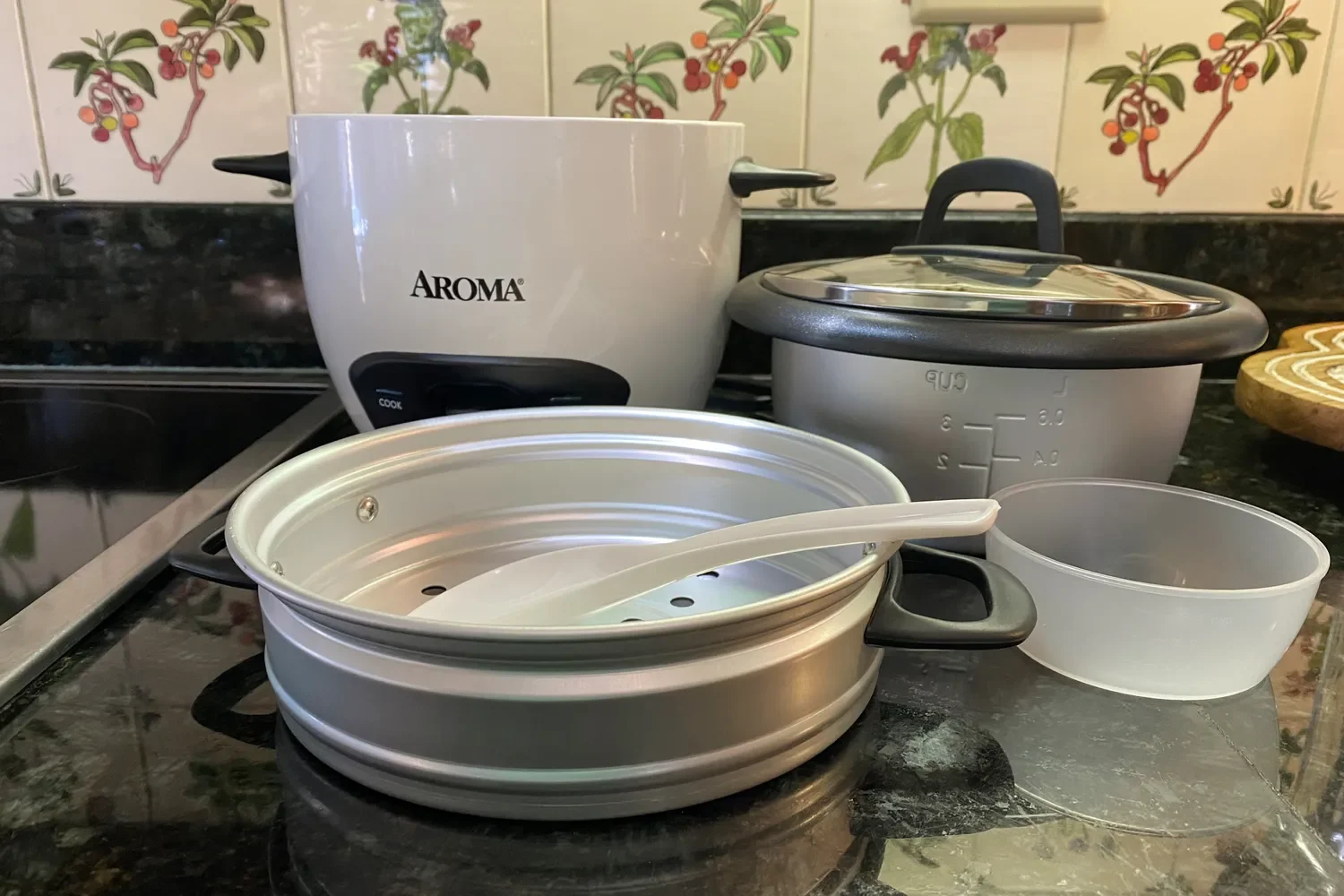
Choosing among rice cookers is less about finding the longest feature list and more about matching the appliance to the way you prepare meals. A basic cooker can make dependable white rice with very little effort, while a more advanced model may handle brown rice, porridge, steaming, slow cooking, or delayed starts. Before comparing models, consider how often you cook rice, how many people you usually serve, how much counter space you have, and whether you want one appliance to perform several jobs.
Types of Rice Cookers Compared
Basic one-switch rice cookers are the simplest option. They generally cook until the water has been absorbed, then switch to warm. Their advantages are a lower purchase price, uncomplicated controls, and easy operation. The tradeoff is less flexibility: they may not offer precise programs, a timer, or strong performance with specialty grains. They are a sensible choice for occasional rice eaters, students, and households that mainly prepare white rice.
Digital rice cookers add preset programs, electronic timing, and a display. Depending on the model, settings may include white rice, brown rice, mixed rice, porridge, quick cooking, and steaming. These appliances cost more and can have more parts to clean, but the controls are useful when different household members cook or when you want repeatable results without adjusting water manually for every variety.
Fuzzy-logic and induction models are designed to make more precise adjustments during cooking. Sensors can respond to temperature changes and modify heat or cooking time, which may help when rice quantities or grain types vary. Induction heating can distribute heat more evenly, although it usually raises the price. A premium model from a brand such as Tiger may appeal to frequent rice cooks who value consistency, while a simpler Better Chef or Brentwood model may be more practical when budget and basic functionality matter most.
Rice Cooker Settings Worth Paying For
The most valuable setting is the one that matches food you actually prepare. White rice and brown rice programs are useful if both appear regularly on your menu because brown rice typically needs different heat management and cooking time. A mixed-grain or multigrain setting can help households that combine rice with barley, quinoa, or other grains, but it is not essential for everyone.
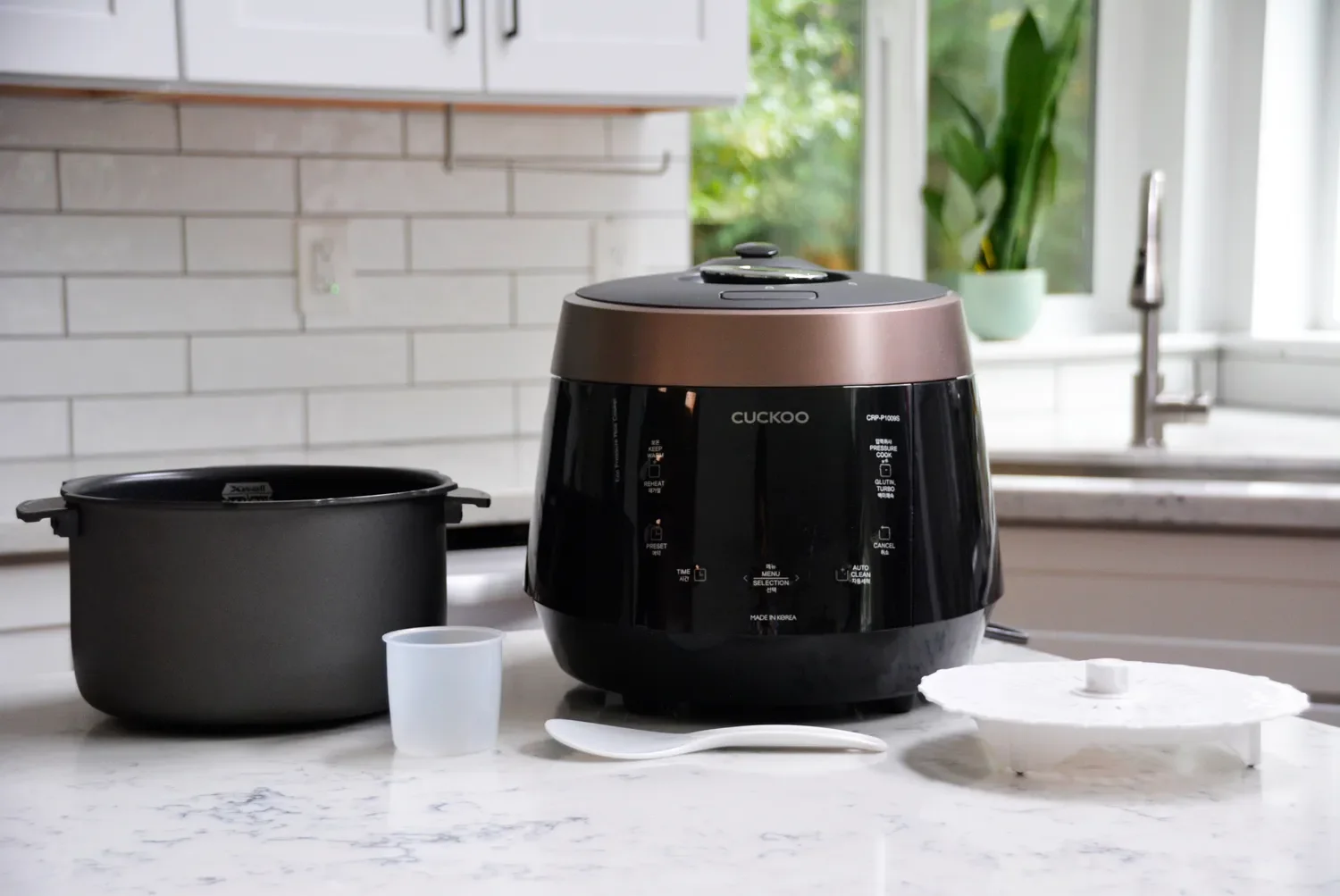
A keep-warm function is convenient for serving rice later, but it should not be treated as unlimited storage. Rice quality can decline during extended warming, becoming dry around the edges or overly soft at the bottom. Look for a clear warm indicator and, if available, an automatic shutoff or adjustable warming period. A delay timer can be valuable for scheduled meals, but use it carefully with perishable ingredients and follow the manufacturer’s food-safety instructions.
Quick-cook, steam, and porridge settings can justify a higher price when they replace other cookware. A steam basket may allow vegetables, dumplings, or fish to cook above the rice. Some multifunction cookers also advertise a FRYER function or related browning capability. Treat that feature as an added convenience rather than assuming it will perform like a dedicated air fryer or stovetop pan; check the basket size, temperature range, and cleaning requirements before paying extra.
Controls should be easy to read and operate. Large buttons, a clear display, audible alerts that can be muted, and a removable inner lid are more useful in daily life than decorative programs. If you often cook small portions, check whether the cooker is designed to maintain good results below its maximum capacity. A large bowl does not automatically mean it will cook a single serving well.
Inner Pots and Cooking Materials
The inner pot has a direct effect on durability, cleaning, and cooking performance. Nonstick-coated pots are common because rice releases easily and cleanup is quick. Their coating can wear if metal utensils, abrasive sponges, or harsh detergents are used. A removable pot should be washed according to the manual and dried fully before returning it to the cooker.
Stainless-steel pots are resistant to scratching and may suit shoppers who prefer to avoid nonstick coatings. However, rice can adhere more readily, especially if it is left on warm for a long period. Some stainless-steel inserts are heavier and more difficult to lift when full. Compare the shape of the handles, the weight, and whether the pot can be placed safely in a dishwasher rather than judging material alone.
Rice Cooker Buying Guide
Thickness and construction matter as well. A heavier, well-seated pot may distribute heat more consistently and resist warping, but it can increase the appliance’s weight and price. Check the measurement markings inside the bowl and confirm that they correspond to the included measuring cup. Rice-cooker cups are often smaller than standard kitchen measuring cups, so using the wrong cup can change the intended water ratio.
Helpful Accessories and Included Parts
A useful package normally includes a rice paddle, measuring cup, and steam basket or tray. The paddle should be made from a material that will not damage the inner coating. A condensation collector, detachable inner lid, and replacement gasket can make maintenance easier, particularly when you cook sticky rice or porridge.
Recommended product
Use these catalog picks as a shortlist for rice cooker buying guide: features, settings, and accessories. Compare measurements, materials, and return terms side by side instead of buying from a photo alone.
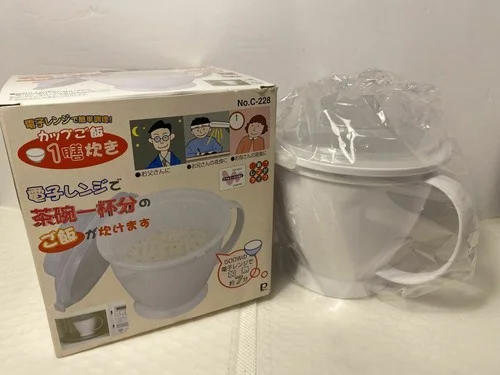

Inspect the included parts before purchase rather than assuming every model has the same accessories. Some compact cookers include only the bowl and paddle, while larger digital models may add a steaming tray, soup ladle, or cookbook. Accessories take up storage space, so extra pieces are worthwhile only when they support meals you already make.
Also investigate Replacement Parts availability. Inner pots, lids, steam vents, measuring cups, and power cords can be difficult or uneconomical to replace on an obscure model. A cooker with a modest feature set may offer better long-term value if the manufacturer documents compatible parts and provides clear care instructions. Keep the model number and purchase information in a safe place in case a component needs replacing.
How to Compare Price, Capacity, and Warranty
Capacity should be based on cooked servings and your normal batch size, not just the number printed on the box. A small cooker can be efficient for one or two people, while a medium model may suit a family that prepares rice several times a week. Very large cookers are useful for gatherings but can be wasteful for small portions and harder to store. Leave room around the steam vent and do not place the appliance beneath low cabinets if rising steam could cause damage.
When comparing price, separate genuinely useful features from rarely used additions. Spending more may be worthwhile for a removable inner lid, durable controls, better heat regulation, a strong seal, or a longer warranty. It may not be worthwhile to pay extra for numerous preset menus if you mostly cook one type of rice. Include the cost of replacement bowls, filters, and other consumables in the total ownership price.
For the one catalog pick that may appear alongside this guide, compare it with alternatives using the same criteria rather than relying on the headline feature. Note its strongest pros, such as a useful capacity, accessible controls, or included steaming equipment, then weigh cons such as a short warranty, limited Replacement Parts support, a bulky footprint, or a coating that requires careful handling. This keeps the comparison grounded in fit and ownership rather than suggesting that one cooker is best for every kitchen.
Warranty terms deserve close attention. Check whether coverage applies to the inner pot, heating base, lid, and electronic controls, since some warranties exclude wear items or cosmetic damage. Confirm the length of coverage, the return window from the retailer, and whether service is available in your country. A clear manual, responsive manufacturer support, and available Replacement Parts can be more valuable than a few extra cooking programs.
A Practical Final Checklist
Before buying, decide which rice varieties you cook, how many servings you need, and whether steaming or delayed cooking would genuinely help. Confirm the cooker’s dimensions, power requirements, cleaning instructions, and included parts. For a family or frequent cook, prioritize consistent heating, a durable pot, and service support. For occasional use, a compact one-switch model may offer the best value. Whether you choose Tiger, Better Chef, Brentwood, or another manufacturer, the right rice cooker is the one whose capacity, settings, maintenance, and support match your everyday routine.
FAQ: Rice Cooker Buying Guide: Features, Settings, and Accessories
What features should I look for when buying a rice cooker?+
Prioritize capacity, cooking modes, keep-warm performance, an easy-to-clean inner pot, and a removable lid or steam vent. Useful settings may include white rice, brown rice, quick cook, porridge, and steaming, but choose only the functions you expect to use.
Are rice cooker settings like fuzzy logic or induction heating worth paying for?+
They can be worthwhile if you cook different rice varieties often or want more consistent results with minimal adjustment. For basic white rice, a conventional cooker with accurate water markings may be sufficient and usually costs less.
What is the best inner pot material for a rice cooker?+
Nonstick pots are convenient and easy to clean, while stainless steel is durable and avoids a coated cooking surface but may require more careful serving and cleaning. Check the pot thickness, water-line markings, replacement availability, and whether the included rice paddle is designed to protect the surface.
What accessories usually come with a rice cooker?+
Many rice cookers include a measuring cup, rice paddle, steaming basket, and removable inner pot. Confirm the included parts before buying, and check whether replacement pots, lids, trays, or measuring cups are easy to find.
How do I choose the right rice cooker size and price?+
Choose capacity based on the amount of cooked rice you normally need, remembering that listed cup sizes often refer to small rice-cooker cups rather than standard kitchen cups. Compare the price against capacity, useful settings, pot quality, cleanup features, warranty length, and replacement-part support instead of paying for functions you will not use.