Rice Cookers for Events in Colorado Springs: Portable Features to Look For
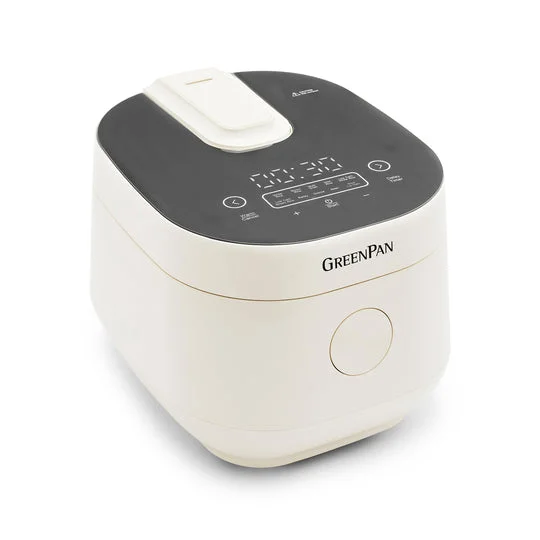
A reliable rice cooker can make event catering easier, especially when a group needs a warm, filling side dish without tying up a full kitchen. Whether you are preparing food for a family gathering, a community function, or one of the many events in Colorado Springs, portability should be considered alongside cooking performance. The best model is not necessarily the largest or most feature-packed appliance. It is the one that fits your menu, electrical setup, transportation plan, and serving routine. Look for simple controls, a secure lid, a durable inner pan, and a footprint that is manageable on a folding table or compact counter.
What Makes a Rice Cooker Practical for Events in Colorado Springs
Event cooking is different from preparing dinner at home. You may need to carry the appliance through a parking area, share a power circuit with warming trays, or serve guests in stages. A practical rice cooker should therefore be straightforward to load, start, monitor, and move once it has cooled. One-touch or clearly labeled controls are useful when several volunteers are helping. A keep-warm setting can maintain serving temperature between meal times, but it should not be treated as a substitute for proper food-safety practices. An easy-to-read measuring guide inside the inner pan also reduces mistakes when multiple batches are being prepared.
Weather and venue conditions also influence the choice. Colorado Springs events may take place indoors, outdoors, at a recreation facility, or in a venue with limited kitchen access. Check whether the location provides a level, heat-resistant surface and a nearby outlet. If your outing includes a performance at the Pikes Peak Center, confirm venue rules before bringing any cooking appliance, as many ticketed venues restrict outside food preparation and electrical equipment. For public events, the planning information for Pikes Peak Center events can help you distinguish between a catered gathering and a venue where cooking must happen elsewhere.
Portable Rice Cooker Features That Matter
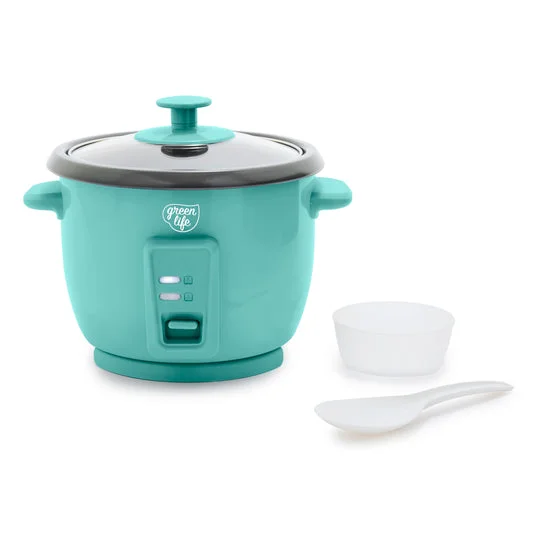
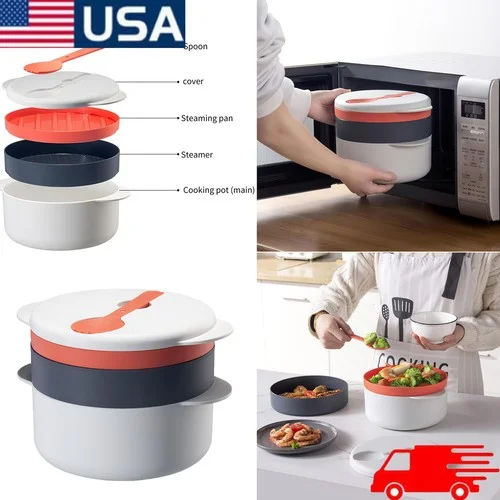
Start with the handle, lid, and overall shape. A hinged or locking lid helps prevent spills during transport, while a cool-touch handle makes carrying safer after cooking. Some compact units have detachable cords, which makes packing simpler and reduces the chance of a loose cable catching on other supplies. A wide, stable base is preferable to a tall, narrow design because it is less likely to tip on a crowded serving table. If you expect to cook more than rice, a removable Steamer basket can add flexibility for vegetables, dumplings, or fish, provided the extra accessories do not make the cooker difficult to pack.
The inner pan deserves close attention. A nonstick surface makes serving and washing easier, but check that replacement pans are available and that the coating appears substantial enough for regular group use. Measurement markings are especially helpful when cooking at a location without a measuring cup. A tempered glass lid can let you check progress, although condensation may limit visibility. Brands such as Toshiba, Sunpentown, and Midea offer models across different size and feature ranges, so compare the controls, included accessories, warranty terms, and replacement-part support rather than choosing by brand name alone.
Capacity, Power, and Transport Considerations
Capacity labels can be confusing because a listed cup measurement usually refers to a small uncooked rice cup, not a standard kitchen measuring cup. A 10 cup cooker may produce considerably more cooked rice than a small household model, but it also takes up more table space and may be heavier to transport. Estimate portions before shopping. As a general planning method, allow roughly one-half to three-quarters of a cup of cooked rice per adult when rice is a side dish, then add extra for generous servings or second helpings. When in doubt, two smaller cookers can offer more flexibility than one oversized unit because you can prepare different varieties or stagger cooking times.
Power requirements are just as important as capacity. Check the wattage printed on the appliance and ask the venue or host how much electrical capacity is available. A large cooker, coffee maker, hot plate, and warming tray on one circuit can trip a breaker. Avoid relying on a household extension cord unless it is rated for the appliance and approved for the setting; never connect multiple power strips together. For outdoor use, protect the plug and connection from moisture, but do not operate a standard indoor rice cooker in rain, on wet ground, or under conditions not covered by its instructions.
Transport the cooker empty whenever possible. Pack the inner pan, lid, cup, and Steamer insert separately if they can shift inside the housing. A padded tote or sturdy lidded container protects the appliance from bumps and keeps accessories together. Do not carry a full cooker by its lid, and allow the unit to cool before placing it in a bag. If you are cooking on arrival, bring measured rice and water in sealed containers, along with serving utensils, cloths, labels, and a backup plan in case the venue outlet is unavailable.

Easy Serving and Cleanup Tips
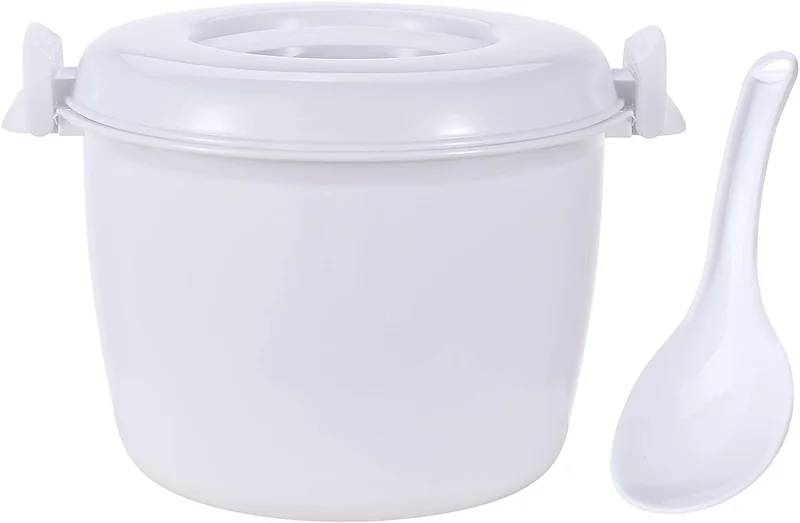
Before the event, test the recipe and portion size in the cooker you plan to use. Rice texture can vary by variety, altitude, age, and the amount being prepared, so a practice batch is more useful than relying only on the manual. Rinse rice according to the recipe, use the supplied cup when appropriate, and avoid filling above the maximum line. At the event, place the cooker where guests can reach it without crossing near hot cables or other equipment. Use a dedicated rice paddle rather than a metal spoon, and label the rice if you are serving several varieties or accommodating dietary preferences.
For cleanup, unplug the cooker and let it cool before handling the housing. Remove the inner pan and accessories, soak stuck rice with warm water, and wash them according to the manufacturer’s directions. Wipe the exterior with a damp cloth rather than immersing the electrical base. Bring trash bags, paper towels, a small scraper suited to nonstick surfaces, and a container for leftover food. If the cooker will be used for more than one batch, clean the pan between recipes to prevent burnt grains, sauces, or allergens from carrying over.
Safety Advice for Cooking Rice Away From Home
Rice should be handled like any other cooked perishable food. Use clean water and utensils, keep the lid closed when practical, and avoid leaving cooked rice at room temperature for extended periods. A keep-warm function can help maintain a safe serving process only when the appliance is working correctly and the food remains hot; follow the manufacturer’s guidance and local food-service requirements. Divide leftovers into shallow containers for prompt cooling rather than storing a deep, hot mass. When serving outdoors, shield the cooker from dust, insects, direct weather, and accidental contact.
Finally, assign one person to monitor the appliance. That person can check the cord, keep the area clear, watch for unusual odors or overheating, and make sure children do not touch the hot lid or steam vent. Never open the lid directly over your face, since escaping steam can cause burns. With the right capacity, secure transport features, sensible power planning, and a simple cleanup kit, rice cookers can support an organized event meal without creating unnecessary equipment or safety problems.